
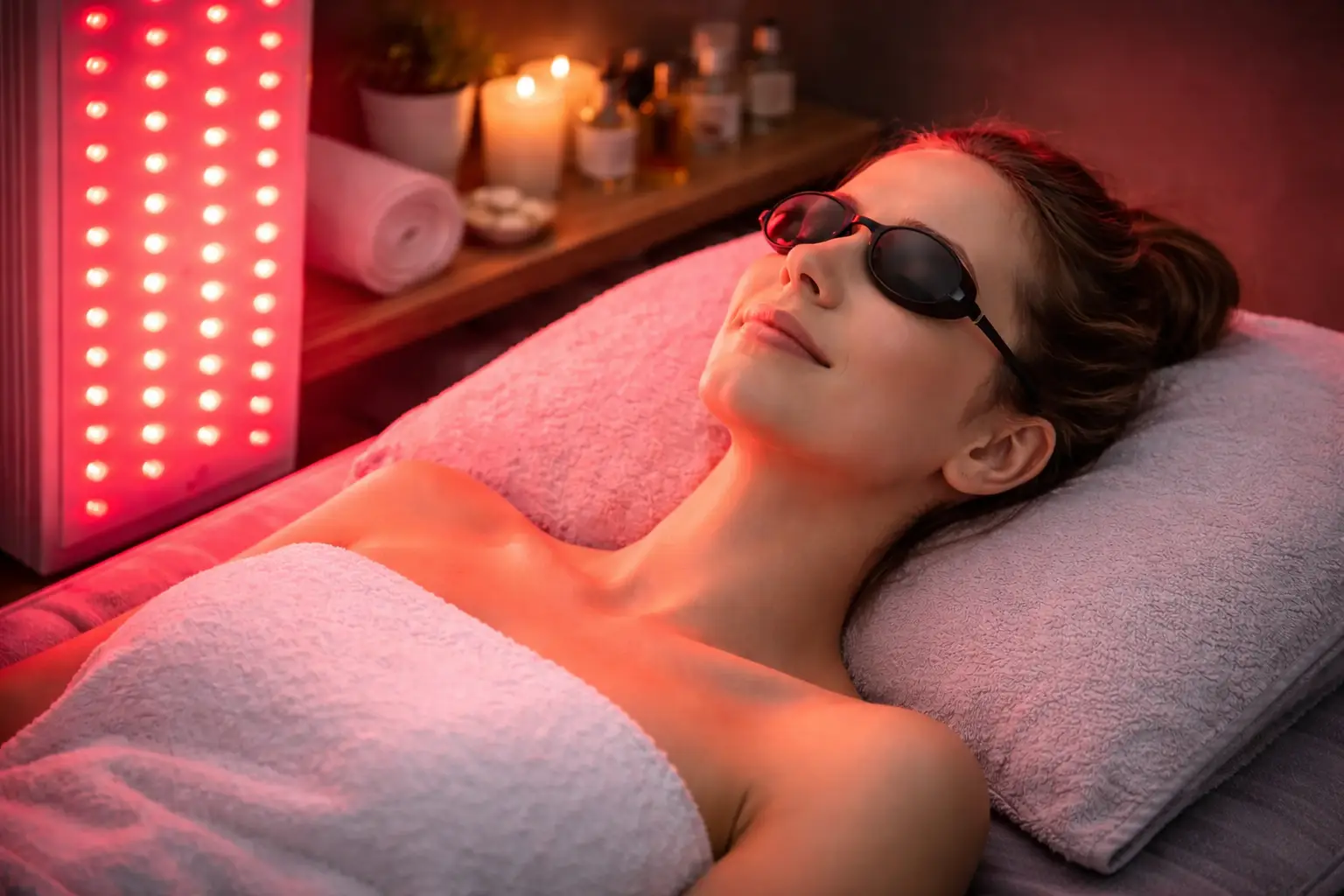
Red light therapy (RLT)
Red light therapy (RLT), also known as photobiomodulation, works by using specific wavelengths of low-level light to stimulate the “power plants” of your cells, the mitochondria. Unlike UV light, which can damage the skin, red and near-infrared light are non-invasive and promote healing from the inside out.
The Core Biological Process:
When your body is exposed to red light (typically between 630–700 nm) or near-infrared light (up to 1000 nm), the following biological chain reaction occurs:
- Absorption by Mitochondria: Specialized light-sensitive proteins (chromophores) in your cells absorb the light energy.
- Increased ATP Production: This stimulation helps the mitochondria produce more Adenosine Triphosphate (ATP), which is the energy currency for nearly every function in the body.
- Enhanced Cellular Repair: With extra energy, cells can repair themselves more efficiently, leading to faster wound healing, reduced inflammation, and tissue regeneration.
- Nitric Oxide Release: The light also triggers the release of nitric oxide, which dilates blood vessels (vasodilation), improving local circulation and delivering more oxygen and nutrients to the area.
Who It Is Best For
RLT is most commonly sought for its dermatological and recovery benefits:
- Skin Rejuvenation: It is widely used to reduce fine lines, wrinkles, and age spots by stimulating collagen production.
- Acne Management: It can help reduce inflammation and redness associated with breakouts.
- Hair Regrowth: Some studies show it can be effective for certain types of hair loss, such as androgenetic alopecia, by energizing hair follicles.
- Pain & Recovery: It is often used by athletes for muscle soreness and by individuals with chronic pain, such as rheumatoid arthritis, to lower inflammation and increase blood flow.
Who should avoid it:
- Photosensitive Conditions: Individuals with lupus, porphyria, or other light-sensitive conditions may experience flare-ups or rashes.
- Specific Medications: Certain antibiotics (e.g., tetracycline), acne treatments (e.g., isotretinoin), and some chemotherapy drugs can make skin highly sensitive to light.
- Active Cancer: It should never be applied directly over known tumors without an oncologist’s approval.
- Pregnancy: Due to a lack of long-term safety data, it is usually avoided during pregnancy as a precaution.
- Eye Conditions: People with pre-existing retinal disease or recent eye surgery should consult an ophthalmologist.
Disclaimer
The Red light therapy (RLT), also known as photo biomodulation therapy offered at UpCell Wellness is intended for general wellness purposes only and is not a substitute for professional medical advice, diagnosis, or treatment.